
Best Clean Carts Shops Online for Verified Quality
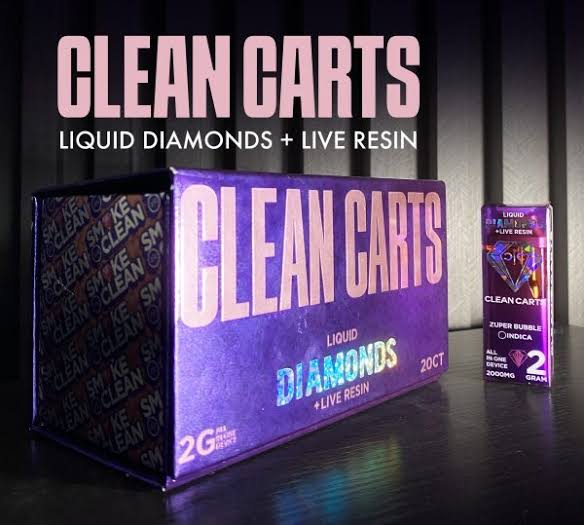
A cartridge can look correct and still fail where it counts. Weak hardware, vague oil descriptions, artificial-tasting flavor, and missing batch information are common warning signs. The best clean carts shops online make product quality easy to assess before an adult customer commits to an order.
This is not about finding the loudest catalog or the lowest listed price. It is about identifying controlled product access, clear cartridge specifications, and flavors that are described with enough precision to set a realistic expectation. Availability is limited by state and local law. Adult consumers should only use legal, compliant channels in their jurisdiction.
What the Best Clean Carts Shops Online Show Clearly
A legitimate product page should answer basic questions without forcing the customer to guess. What type of cartridge is it? What hardware is used? What is the oil format? Is the listed flavor profile strain-led, botanical, or a blend? If the seller cannot provide a direct answer, the product is not ready for serious consideration.
Start with the cartridge itself. The body should be described as ceramic, glass, metal, or another identifiable material. A vague image of a filled cart is not a specification. Customers should be able to determine the connection type, nominal fill amount, and whether the cartridge is intended for a compatible regulated battery platform.
Oil details matter just as much. A clean listing does not need exaggerated promises, but it should distinguish between broad categories such as distillate, live resin, rosin, or other extract formats where legally applicable. These formats have different flavor behavior, viscosity, and price expectations. Treating them as interchangeable is a sign of careless merchandising.
Batch and compliance details are also part of the product record. Packaging images, lot references, testing information where required, and clear adult-use restrictions help establish that a shop is managing inventory rather than reposting generic product photos. Details can vary by market, but the absence of any traceable product information should stop the process.
Cartridge Hardware Is a Quality Test
The oil receives most of the attention. The cartridge hardware decides whether that oil is delivered consistently.
Poorly made carts can clog, leak, produce uneven pulls, or develop a harsh taste before the product is finished. No flavor name can compensate for a cart that overheats or fails to wick correctly. Shops worth considering provide enough information to show that hardware selection was deliberate.
Ceramic-core systems are often preferred for even heating and a cleaner flavor presentation, though performance still depends on the full design. Airflow, coil resistance, oil viscosity, and battery voltage all affect the result. A thick extract in a system built for thinner oil may perform poorly even when both components are otherwise legitimate.
Look for product language that is specific without making medical or safety guarantees. Statements about intended voltage range, storage guidance, or compatibility indicate operational awareness. Overstated claims such as "zero clogging" or "perfect every time" do not. Every cartridge has limits, especially when exposed to heat, cold, or long periods of inactivity.
A useful practical check is whether the shop acknowledges normal handling conditions. Cartridges should generally be stored upright, kept away from excessive heat, and used with an appropriate battery setting. A controlled seller does not present regulated inhalable products as maintenance-free accessories.
Flavor Should Be Described, Not Invented
Flavor is one of the clearest ways to separate a considered cartridge line from a generic one. The best product descriptions name the profile, then define it. A customer should know whether a cart is expected to be citrus-forward, earthy, sweet, gas-heavy, herbal, creamy, or fruit-led before opening the package.
A name alone is not enough. Terms such as Gelato, Blueberry, or OG may indicate a familiar profile, but they do not guarantee a consistent taste across brands or batches. Extraction method, terpene composition, and formulation all influence the final result. The same strain-inspired name can produce a completely different experience from one producer to another.
Shops should avoid presenting flavor as a guarantee of effect. A bright citrus profile may be appealing to one customer and too sharp for another. A dense, fuel-forward profile may suit experienced buyers but feel overpowering to someone who prefers lighter fruit or dessert notes. Accurate flavor language is more useful than hype.
When comparing options, use the flavor description as a filter. Customers who prefer less sweetness should look for botanical, pine, pepper, earth, or gas notes. Those seeking a softer profile may prefer cream, berry, tropical fruit, or candy-style descriptors. This does not replace product verification, but it prevents a purchase based only on a familiar name.
Read the Product Record Before the Cart Name
A polished strain name is easy to create. A complete product record takes more effort. Before considering a flavor, review the information attached to the item.
The strongest listings typically make four points clear:
the cartridge type and fill amount
the extract or oil category
the intended hardware or battery compatibility
the relevant batch, packaging, or compliance information
These are not decorative details. They help the customer compare products on the facts that affect performance. A one-gram cartridge may appear to offer better value than a half-gram option, for example, but the better choice depends on usage rate, freshness preferences, and whether the hardware is suited to the oil. Larger is not automatically better.
Likewise, a high potency number should not be the only decision point. Flavor quality, hardware consistency, and transparent formulation can matter more to the actual use experience than a single number on a label. Serious shops present the full product picture rather than reducing the decision to potency alone.
Price Is a Signal, Not Proof
Very low pricing can be attractive, especially when a listing uses familiar product imagery. It can also indicate old inventory, unclear sourcing, imitation packaging, or a seller with no reliable product controls. The opposite is also true: a high price does not prove that a cart is authentic or well made.
Use price as a comparison point after reviewing the hardware, oil description, and available product documentation. If a product costs substantially less than comparable regulated products, there should be a clear reason. A temporary promotion may be legitimate. A permanent price that ignores normal category costs deserves more scrutiny.
The same standard applies to bundles. Multi-unit offers can make sense for established customers who already know a product line. For a first purchase, a smaller quantity is often the cleaner test. It limits exposure if the flavor profile, draw resistance, or compatibility does not meet expectations.
Product Selection Should Stay Controlled
A large menu is not always a better menu. Excessive listings with nearly identical names can obscure the differences that matter. A focused selection with clear formats, distinct flavor categories, and consistent product records is easier to evaluate.
Clean Cart Officials follows this principle by treating cartridge information as part of the product, not an afterthought. The standard is direct: identify the format, describe the profile, and maintain clear access boundaries for eligible adult consumers.
For customers comparing shops, consistency across the catalog is worth watching. If one listing includes cartridge materials and flavor notes while the next offers only a stock image and a dramatic name, the seller may not have dependable control over inventory data. Controlled presentation should be visible across the range, not only on featured items.
A Better Final Check
Before placing an order, compare the listing against the package details and your actual preferences. Confirm the cart format fits your battery, the oil category matches what you intended to buy, and the flavor notes are specific enough to be meaningful. Do not rely on packaging aesthetics, social-media language, or a strain name by itself.
The right shop makes this review straightforward. When vape cartridge construction, oil type, flavor profile, and product record are all visible, the decision becomes less about chasing a label and more about choosing a product with clear standards. That is the useful threshold: buy only when the details hold up.
Contacts US
(213) 419-0256
info@cleancartofficials.com
444 Woodstock Drive 90017 Los Angeles, California
Subscribe to our newsletter


© 2026. All rights reserved.